Priority 2026: Simplification to Drive Competitiveness and the Internal Market
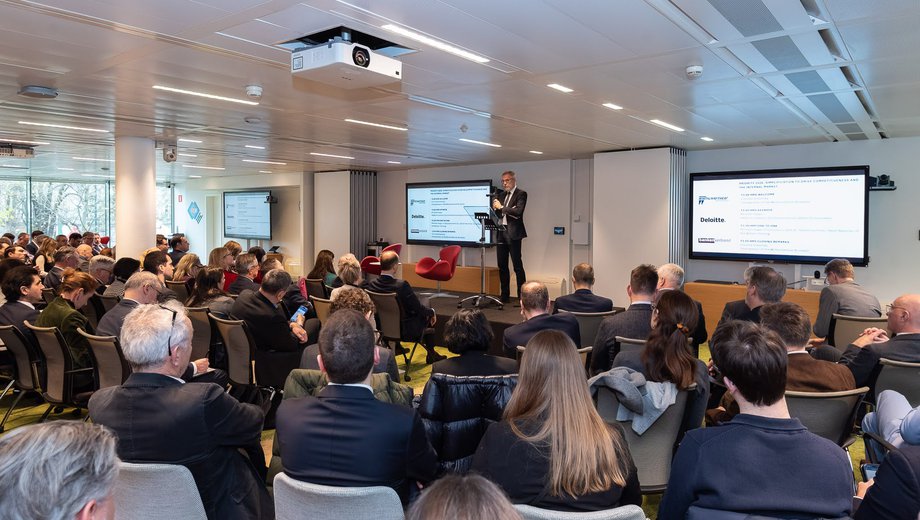
On 3 December 2025, the Brussels Economic Council of the CDU hosted a high-level discussion on the critical role of simplification in enhancing Europe’s competitiveness and completing the Single Market. The event, titled Priority 2026: Simplification to Drive Competitiveness and the Internal Market, featured Michael Hager, Head of Cabinet to EU Commissioner Valdis Dombrovskis, as the keynote speaker. It was moderated by Dr. Detlef Fechtner, Head Reporter of the Börsen-Zeitung.
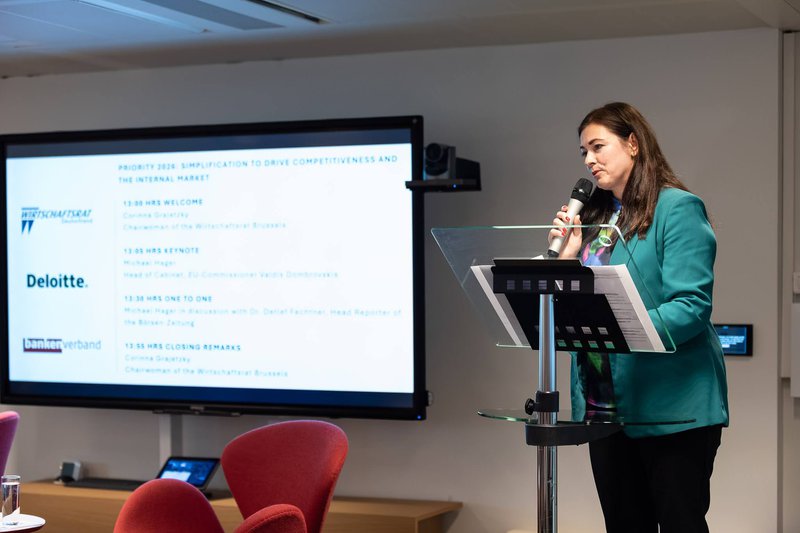
In her opening remarks, Ms. Grajetzky, Chairwoman of the Brussels Economic Council of the CDU, stressed the urgency of the current geopolitical and economic challenges facing Europe. As global power dynamics shift and Europe’s strategic autonomy becomes increasingly important, she underlined the need for a stronger economic foundation. "Our economic strength has eroded," she stated, citing Europe’s slow growth, insufficient investment, and regulatory burden as key factors. Europe must correct its course to ensure long-term prosperity and political stability. The Economic Council, she emphasized, has been actively involved in contributing to the EU’s Omnibus packages, which seek to address regulatory excess and simplify the EU’s complex legislative framework. Additionally, Mr. Grajetzky highlighted the recently published 10-point competitiveness plan by the Economic Council. The two key priorities emphasized by her are a sound fiscal policy to restore stability and a bold growth strategy, starting with completing the Single Market.

In his keynote, Michael Hager stressed the urgency of the current situation and the need to overcome bureaucratic barriers within the EU. Hager emphasized that the main drivers for the need to simplify are rooted in the broader context of economic decline and the growing gap between the EU and other global players. Europe has yet to fully tap into its growth and innovation potential, causing the continent to lose ground in global competitiveness. In this regard, he highlighted the political guidelines of Commission President Ursula von der Leyen, which outline the necessary mindset shift.
A key point in Hager's address was the need for a joint political push, not just from the European Commission, but also from industry and businesses. It is crucial that these stakeholders engage more actively in helping to overcome legislative hurdles. But simplifying regulations is just one part of the puzzle. A comprehensive strategy is required, which encompasses several areas: strengthening the internal market, refocusing trade policy, adapting industrial policy, and addressing financial regulations.
He specifically emphasized that the internal market, as the cornerstone of Europe's competitiveness, must be further developed. Despite numerous reports outlining existing barriers, concrete proposals to solve these issues remain scarce. He emphasized that a fully integrated internal market, spanning capital, data, energy, and services, is crucial for reducing costs, stimulating innovation, and attracting investment. In trade policy, Europe must rethink their approach to maintain its export levels and remain an attractive trade partner on the global stage. Specifically, this requires for the EU to meet third party trade partners as equals in negotiations. Hager also stressed the need to adapt industrial policy to find a balance between protection and greater flexibility in responds to shifting global conditions.
Another critical point in the context of the single market are financial market regulations. The financial sector is burdened by an overload of regulations that often stifle the market rather than promote it.
Finally, Hager addressed the progress made with the Omnibus packages. Initially met with scepticism, the Omnibus packages have now achieved concrete results in seven areas, although final approval by the European Parliament is in some cases still pending. He expressed confidence that these initiatives could bring about the necessary changes. However, he emphasized the importance of maintaining momentum and continuing to apply pressure to ensure that Europe does not "miss the train" in the coming years. In conclusion, Mr. Hager urged European policymakers and business leaders to remain bold and committed to driving change.
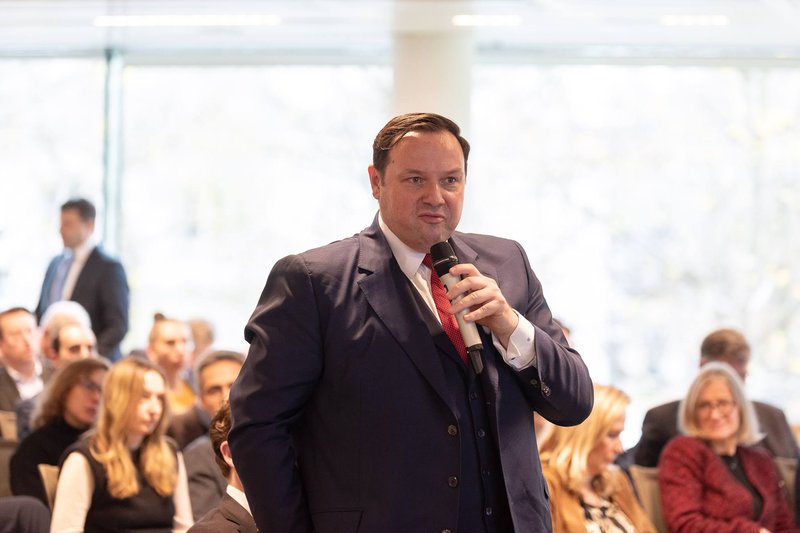
After the keynote addresses, Mr Hager engaged in a lively Q&A session with Dr. Detlef Fechtner and the audience. The discussion covered a range of topics, including future Omnibus-Packages, how a cooperative and constructive work with the council and the European parliament takes shape, and the challenges of embedding simplification in future regulation i.e. in in the space act, digital technologies in the work place, as well as simplification efforts and sector specific standard in the mining, quarrying, and coal sector. Looking ahead Mr Hager outlined that the first half of the next year will focus on implementing the Omnibus-Packages, with planed Omnibus-Packages on environment, automotive, food, energy and citizens.
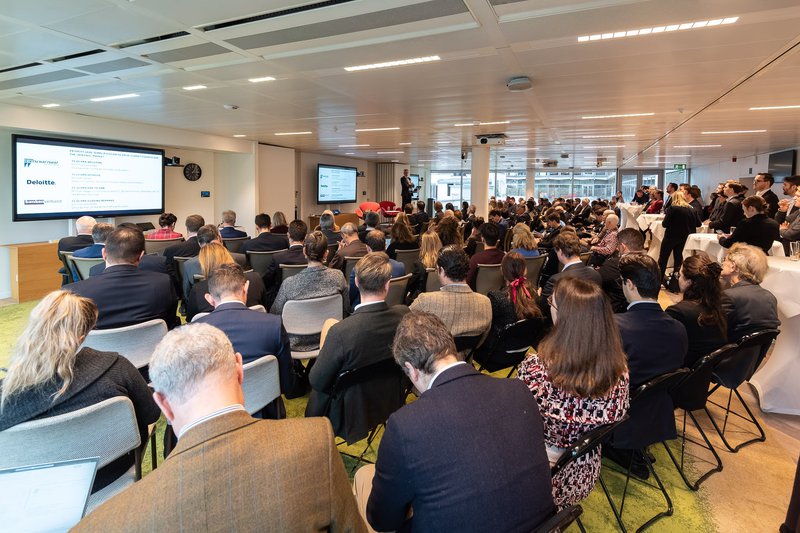
The event concluded with Corinna Grajetzky, who thanked Mr Hager and Dr. Fechtner for the interesting discussion, as well as Deloitte, the Bankenverband and the L’Oréal Groupe for sponsoring the event. She emphasized the Economic Council of the CDU’s commitment to remain an active partner of the European Commission in the simplification agenda.
(©Eric Berghen)